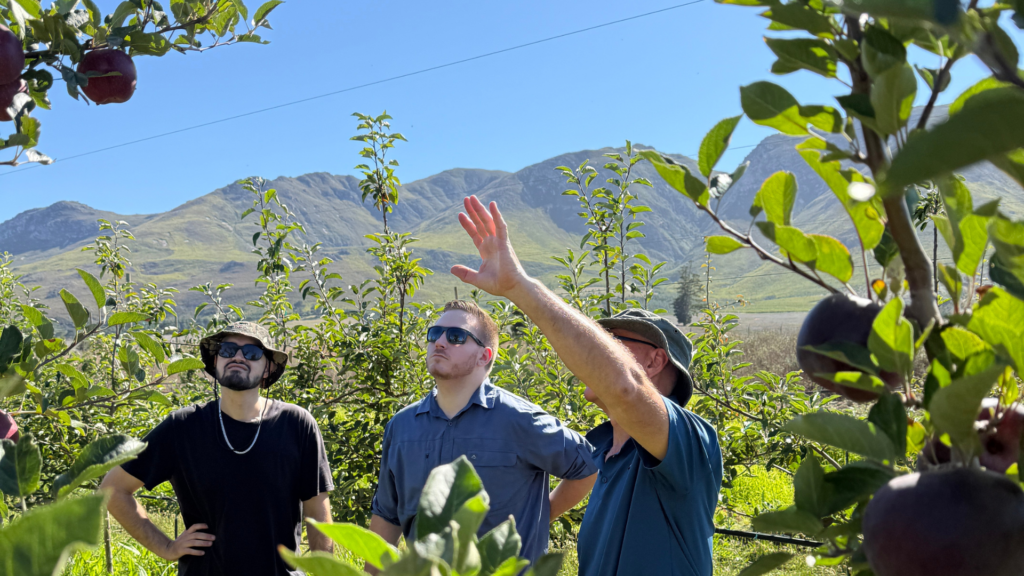
Fruit quality is ultimately judged in a single moment — the first bite. Texture, aroma and overall balance define that experience, yet these sensory attributes have traditionally been difficult to document with the same rigour applied to yield, maturity or storage performance. As a result, decisions around selection, harvest timing, storage strategy and market positioning have often relied on experience, intuition or fragmented feedback, even as other traits are analysed with increasing precision.
As expectations around quality rise, this imbalance has become limiting. Laboratory measurements can quantify sugar levels, acidity and firmness, but the human experience of eating fruit — the factor that ultimately determines acceptance — is often poorly captured. In an industry that demands consistency at scale, understanding not only what tastes good, but why it does and how that outcome can be reproduced reliably has become increasingly important.
“Taste becomes meaningful when it can be understood, compared and reproduced.”
– Miaan Kramer
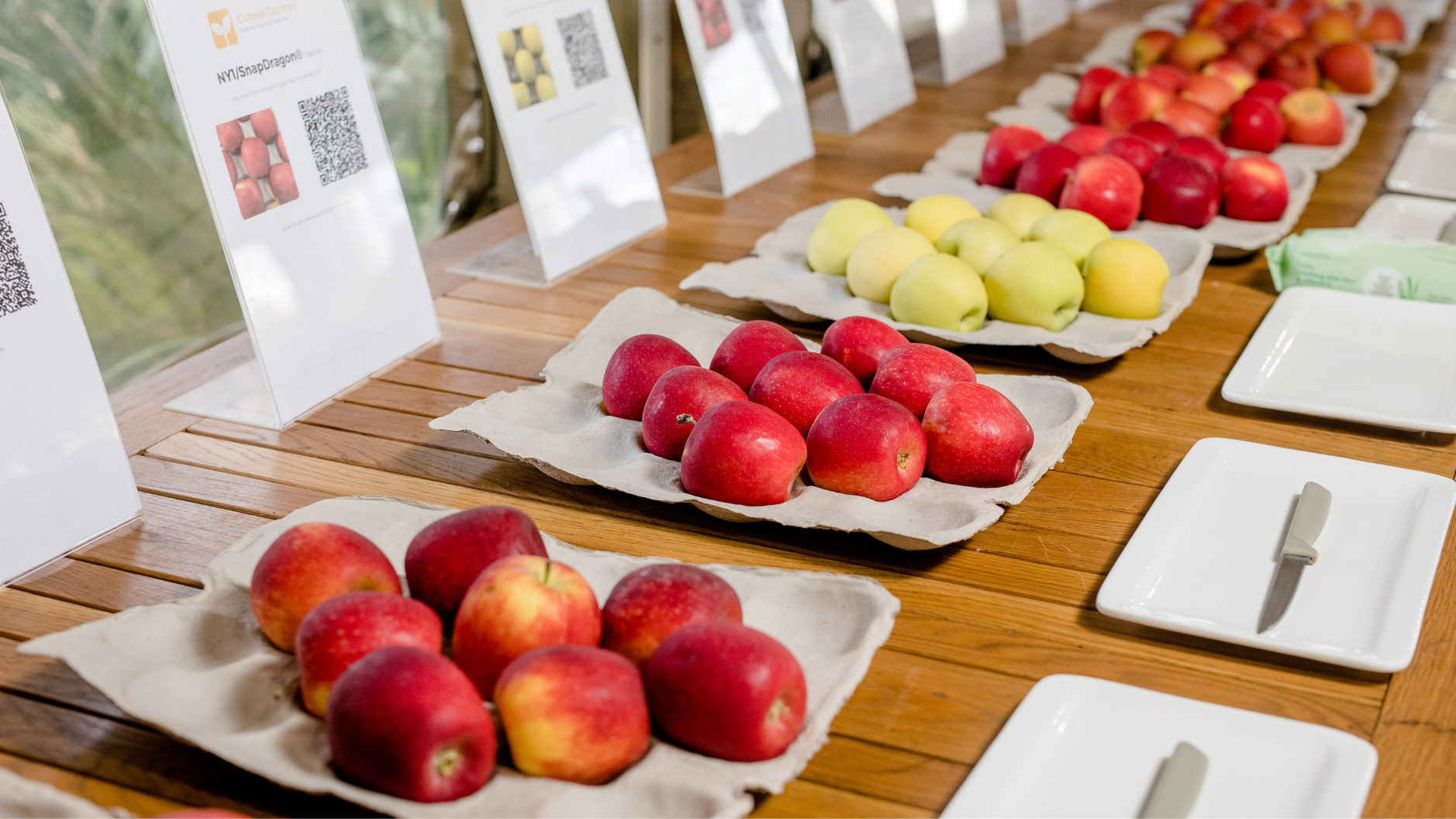
Culteva™ addresses this challenge through its Tastings module, which provides a structured way to capture and interpret human sensory perception as part of the scientific evaluation process. Rather than recording opinions in isolation, Tastings systematises the subjective, turning sensory feedback into evidence that supports confident, repeatable decisions.
Culteva™ addresses this challenge through its Tastings module, which provides a structured way to capture and interpret human sensory perception as part of the scientific evaluation process. Rather than recording opinions in isolation, Tastings systematises the subjective, turning sensory feedback into evidence that supports confident, repeatable decisions.
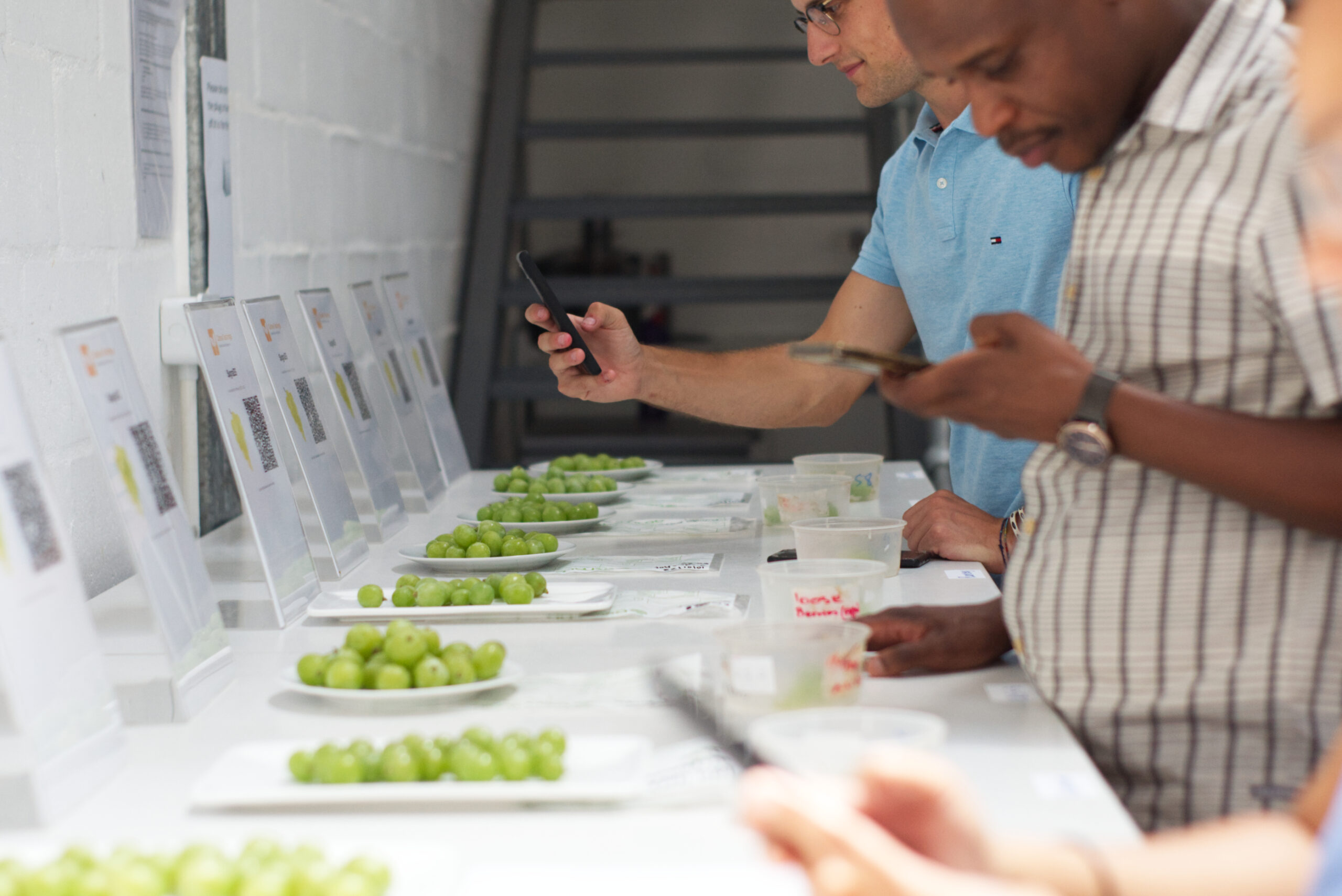
A systematic approach to fruit sensory evaluation
The core Culteva™ platform is designed for the scientific evaluation of plant material, with a strong focus on genotypic and phenotypic data. The Tastings module extends this rigour to sensory data, moving beyond simple preference by anchoring human experience to clearly defined variables. It does so by balancing flexibility with process control through a small number of design principles:
- Weighted characteristics: Organisations assign weights to sensory traits based on breeding objectives, commercial priorities, marketing goals and operating context. Trait importance may be shaped by target market preferences, value-chain structure, economic conditions, pest and disease pressure, regulatory environments and production constraints. This flexibility avoids a fixed definition of quality and ensures relevance across markets, hemispheres and production systems.
- Customisable scorecards: Rather than relying on a predefined set of attributes, organisations define which traits are evaluated and how they are interpreted. This allows scorecards to be tailored to specific objectives — such as selection, storage assessment or market readiness — while maintaining a simple and consistent experience for the taster.
- Protocol standardisation: Tastings follow a fixed digital workflow that controls sample order, question sequence and scoring scales. This removes common sources of inconsistency found in paper-based tastings, ensuring that differences in results reflect differences in the fruit rather than differences in how responses are recorded.
This approach aligns with broader developments in sensory science, where taste is increasingly recognised as a measurable response shaped by genotype, environment and handling rather than as a fixed product characteristic. Studies across fruit and nut crops show strong environmental sensitivity and genotype × environment interactions for flavour traits, reinforcing the need for structured and repeatable sensory measurement (supported by Isleib et al., 2008; Liu et al., 2022).
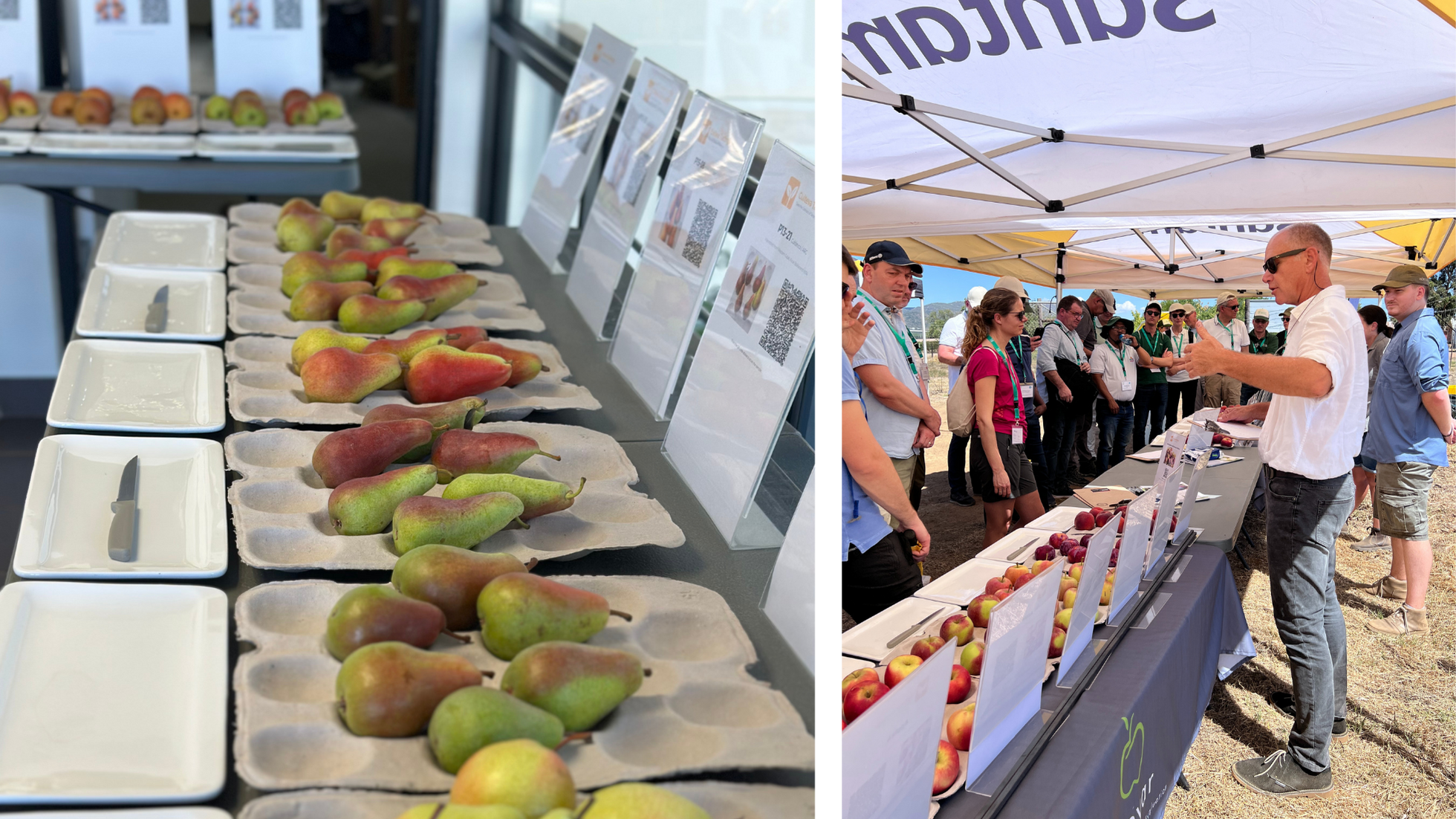
Protecting consistency in sensory data
Sensory data are only useful if they are comparable over time. Building on the standardised workflow, Tastings reduces individual bias and random variation by guiding every participant through the same structured pathway. Defined attributes, consistent scoring scales and repeatable workflows allow tastings conducted across seasons, batches or storage stages to be meaningfully compared. This enables genuine patterns to emerge rather than isolated impressions, turning sensory input into a dependable layer of evidence.
Sensory panels function as measurement instruments, and like any instrument, their outputs depend on repeatability and agreement among assessors. Without controlled protocols and monitoring of consistency, sensory data rapidly lose validity, regardless of panel experience (supported by Bi & Kuesten, 2012).
From impressions to decisions
Tastings are not intended to produce abstract scores. Their value lies in decision support. By aggregating structured sensory feedback, organisations can identify which samples reliably meet a desired eating profile, which show variable performance and which fall outside commercial expectations. This evidence supports early selection, refinement or rejection decisions, reducing downstream risk in commercialisation, branding and market positioning.
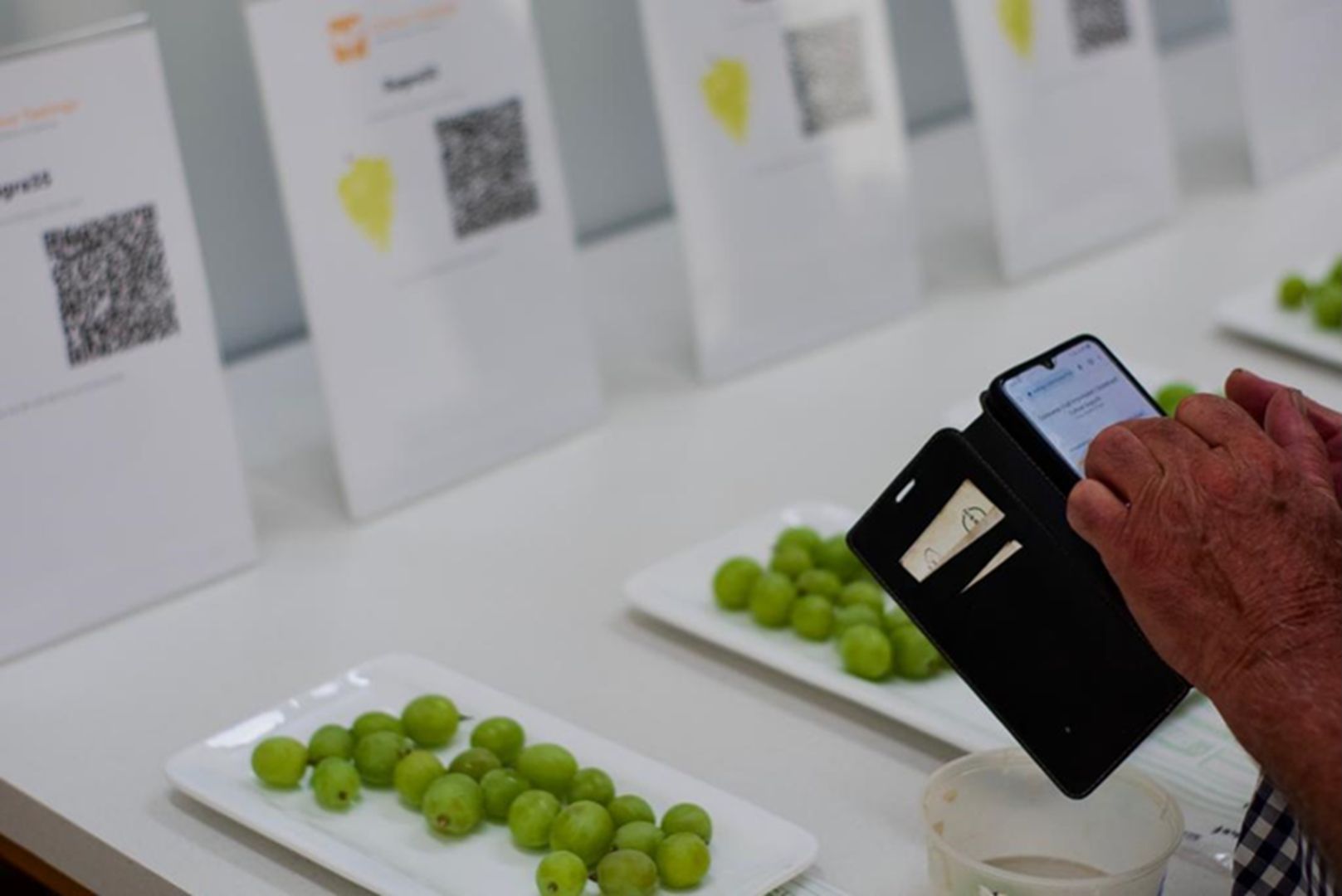
Defining the window of peak eating quality
A primary application of Tastings is determining optimal harvest and storage protocols. A variety may taste exceptional at harvest, but the extent to which its sensory profile is maintained after weeks or months in cold storage or controlled atmosphere (CA) conditions remains a central commercial challenge.
By tracking samples harvested at different maturity stages and stored under varying regimes, Tastings links measurable factors — such as starch conversion or firmness — to the actual eating experience. This allows the window of peak eating quality to be defined and translated into a practical quality roadmap. Consistency at the point of consumption is therefore achieved through understanding rather than assumption. Research across fruit and nut crops shows that harvest timing, seasonal conditions and storage regimes can influence flavour expression as strongly as, or more strongly than, variety alone, underscoring the need to interpret sensory outcomes in context (supported by Isleib et al., 2008; Ulrich et al., 2018).
Streamlining the evidence trail
The Tastings module can be used as a standalone tool or linked to the broader Culteva™ ecosystem. When used independently, it provides a structured way to capture sensory outcomes in any tasting context. When linked, tasting results are associated with a specific variety and interpreted alongside its environmental, management, preharvest and postharvest history.
This integration reflects growing recognition that flavour expression is the outcome of interacting biological and environmental processes rather than a single moment of assessment. Over time, it creates a coherent evidence trail connecting sensory performance to how a variety is grown, harvested, stored and delivered to market (supported by Isleib et al., 2008; Liu et al., 2022). The same framework can support internal breeding decisions, technical evaluations and large-scale consumer events without compromising data integrity.
The future of sensory data
Traditionally, sensory quality has been assessed late in the production and commercialisation process. Digitised tasting data allow eating quality to be evaluated earlier and with greater intent. When sensory results are reviewed alongside maturity indices, storage outcomes and quality benchmarks, taste shifts from a subjective afterthought to a characteristic that can be tracked, compared and learned from over time.
The development of the Tastings module reflects a broader shift in how the final consumer is understood. Consumer expectations vary widely. Some markets prioritise fruit produced under low-input or organic systems, where management constraints shape acceptable appearance and texture, while others emphasise specific flavour profiles such as sour–sweet balance or aromatic intensity. In this context, it is no longer sufficient to focus on yield alone. Fruit must meet a sensory standard aligned with its intended market and be reproducible season after season under real production conditions.
Future updates to the platform will include enhanced decision-making tools and visual summaries designed to support global applicability. By linking sensory results to cultivar identity, production context, harvest timing, storage conditions and objective quality measurements, Tastings enables eating quality to be interpreted alongside the factors that shape it. In doing so, Culteva™ moves beyond recording how fruit tastes today to building the evidence needed for confident cultivar development and deployment decisions.
Sources
Ulrich D, Olbricht K, Schwab W. 2018. Influence of genotype, environment, and management on strawberry fruit quality and flavor. Sci Hortic. 235:169–180.
(Representative of strawberry G×E flavor literature; aligns with applsci-11-11977)
Liu Y, Li J, Shi Y, Chen J, Zhang X. 2022. Sensory evaluation methods and consumer perception of fruit quality: a review. Foods. 11(2):255. doi:10.3390/foods11020255
Piggott JR. 1995. Sensory analysis of foods. 2nd ed. London (UK): Elsevier Applied Science.

Miaan is the Product Manager for the Culteva platform. He translates technical evaluation workflows and user feedback into well-specified, reliable software delivery. By collaborating closely with evaluators, developers and scientific leaders, he ensures that the production direction is implemented effectively to release a stable, transparent and purpose-built product. His role sits at the intersection of user behaviour and market demands, technical feasibility and scientific integrity.